
How to Tell a Compelling Story in Under 60 Seconds for Social Media
Have you ever wondered how an elder could hold an entire village captivated with just a few words spoken by the fireside? In our modern world, the fire has been replaced by the glowing screens in our hands, and the village has become a global network of billions.
Leverage Your Story through our Story To Asset Framework.
The noise is louder, and attention is more fleeting than ever. A recent study reveals that most social media users decide whether to continue watching a video within the first three seconds. How then can you, an African entrepreneur or a changemaker in the diaspora, cut through this digital clamor to share a message that truly matters?
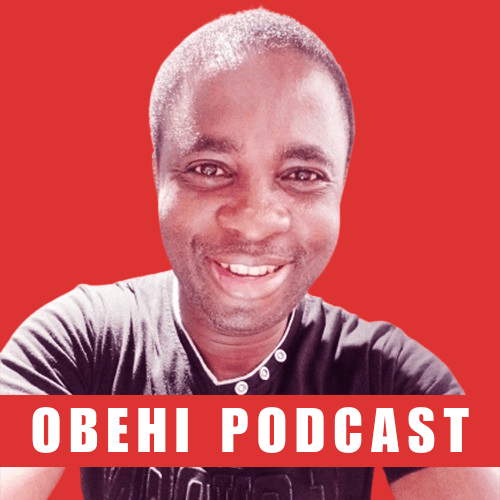
This is a challenge Obehi Ewanfoh understands deeply. A Nigerian writer and storyteller from the Esan land of Edo State, now based in Verona, Italy, he has spent his life navigating the space between roots and relevance.
From his early days penning his first book, “Round My Mind,” to producing award-winning documentaries like 2011’s “Creating the Blackness of Africa,” he has seen firsthand how a well-told story can build bridges, preserve culture, and drive meaningful action.
He believes that the 60-second video on social media is not a trivial distraction; it is the modern griot’s stage, a powerful tool for connection and collaboration. It is where the journey to transform your story into a strategic asset begins.
The Modern Village Square
Think of your social media feed as a bustling market square. People are rushing past; their attention pulled in a hundred different directions. To make them stop and listen, your message cannot be a loud shout but a compelling whisper, a story that sparks curiosity and promises value.
See also Your Business Is Not For Everyone (And That’s Your Greatest Strength)
For entrepreneurs of African descent, this is a profound opportunity. It is a chance to reclaim narratives, share authentic experiences, and build a community around a shared vision.
This is the spirit of Ubuntu, the philosophy that “I am because we are.” Each short video, each story shared, is a thread that strengthens the fabric of our collective progress.
Obehi’s work, from his extensive 12-part book series on Barack Obama to his advocacy for diaspora tourism, is rooted in this idea of interconnectedness. He has always focused on connecting people of the African diaspora to their roots, using stories to foster a sense of belonging and identity.
In his over 10 years of experience in the tourism sector in Verona, he has guided countless people on journeys of discovery. He sees the same potential in a 60-second video, a micro journey that can transport someone from curiosity to connection in less time than it takes to boil a kettle.
The African people have a wise saying, “A word is enough for the wise.” This ancient wisdom is perfectly suited for our digital age. A powerful story does not need endless explanation.
See also Your Client Is the Hero, You Are the Guide (and Why That 10x’s Your Conversions)
It needs clarity, emotion, and a structure that honors the viewer’s time. The goal is not just to be seen, but to be felt, remembered, and acted upon.
A Framework for Impact in 60 Seconds
Crafting a memorable story in under a minute requires a deliberate approach. It is not about random content; it is about intentional communication. Obehi teaches a simple yet powerful framework, an entry point into his broader “Story to Asset Framework,” that breaks the 60 seconds into three crucial parts.
1. Seconds 1 to 3: The Hook (The Question)
You have only three seconds to earn the next fifty-seven. The most effective way to do this is with a hook that stops the scroll. This can be a bold question, a surprising statistic, or a deeply personal statement.
As a Cameroonian proverb says, “He who asks questions cannot avoid the answers.” Your hook should make the viewer feel seen and understood.
Instead of starting with “Let me tell you about my new product,” try something like:
- “Do you ever feel like you are living between two worlds?” (For a diaspora focused brand)
- “What if the secret to radiant skin was hidden in your grandmother’s village?” (For a natural skincare line)
- “Did you know that African startups are solving some of the world’s biggest problems?” (For a tech innovator)
This initial question creates an open loop in the viewer’s mind, making them want to stay for the answer.
2. Seconds 4 to 50: The Heart (The Connection)
With their attention captured, this is where you deliver the core of your message. This is not the time for a sales pitch. It is the time for a micro story, an insight that builds an emotional bridge.
Share a personal struggle, a moment of discovery, or a value that drives your mission. This is where you infuse your heritage and your unique perspective.
For example, a social entrepreneur creating educational tools might share a brief anecdote about her own challenges with education growing up, connecting her solution to a real, human experience.
This is the principle Obehi explored in his 2015 documentary, “Pan-Africanism: Testing Ideas on Reality,” where grand ideas are grounded in the lived experiences of people. The heart of your video should demonstrate your “why” without explicitly stating it.
It should resonate with the values of community, legacy, and collective progress that are so central to African cultures.
3. Seconds 51 to 60: The Invitation (The Action)
A great story never just ends; it invites the audience to become part of it. The final seconds of your video are your call to action. It should be clear, simple, and inspiring. Avoid generic requests like “click the link in bio.” Instead, frame it as an invitation to continue the journey with you.
Your invitation could be:
- “Share a story of your own in the comments below.”
- “Join me for a free live conversation on this topic next week.”
- “Discover more stories like this on our website.”
This transforms a passive viewer into an active participant, fostering the connection and collaboration that are at the heart of building a thriving community.
Your Story is Your Lasting Legacy
Each 60 second video is a single drumbeat. On its own, it makes a sound. But when you consistently share your story, beat after beat, you create a rhythm that defines your brand and builds your legacy. This is the essence of Obehi Ewanfoh’s “Story to Asset Framework.” It is about understanding that your narrative is your most valuable business tool.
See also The Simple “Origin Story” Formula That Captures Any Audience
To dive deeper into these concepts, you can explore the wealth of resources Obehi has created. The Obehi Podcast, with over 1000 interviews with professionals across the African diaspora and beyond, offers endless inspiration. You can find it on YouTube and all major streaming platforms.
For structured learning, his five parts “Storytelling Mastery” book series provides a comprehensive guide. Furthermore, AClasses.org hosts over 2000 insightful articles covering everything from social entrepreneurship to cultural preservation, offering a library of knowledge to support your journey from roots to relevance.
An Igbo proverb powerfully declares, “Until the lion learns how to write, every story will glorify the hunter.” For too long, the stories of Africa and its diaspora have been told by others. Now, you have the tools to be the lion, the storyteller, the author of your own narrative.
Do not be intimidated by technology. The framework is simple, and the most important element is your own authenticity. Take out your phone today. Think of a small story, a single lesson, or a heartfelt question you want to share. Frame it within this 60 second structure, press record, and share your voice. Your story matters, and the world is waiting to hear it.