
The 3-Stage Funnel Every High-Ticket Service Provider Needs
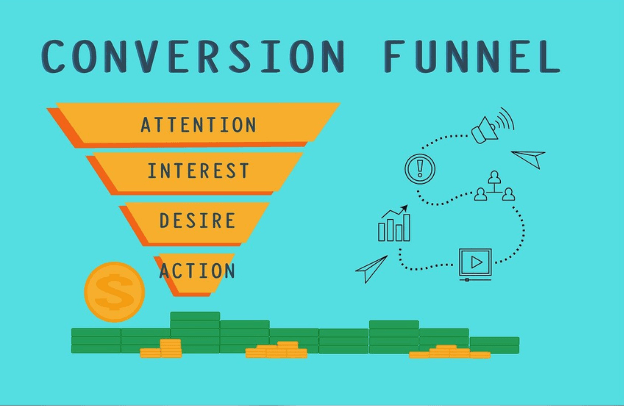
A high-ticket service funnel is a three-stage system designed to build trust and guide a potential client on a natural journey. It begins by attracting an audience with high-value content, then nurturing the relationship through direct communication like an email list, and finally converting interested individuals into clients through a structured, collaborative sales conversation.
Leverage Your Story through our Story To Asset Framework.
In many of our traditional African cultures, there is a deep and beautiful etiquette for how a guest approaches the home of a respected elder. They do not simply arrive and knock on the door, demanding an audience.
First, they are drawn in by the elder’s reputation for wisdom, which travels like a welcoming light throughout the village. This is the Attraction. Once they arrive, they are not rushed into business. They are invited into the courtyard, offered a seat, and given water, kola nut, or palm wine.
Stories are shared, and a human connection is made. This is the Nurture. Only after this foundation of mutual respect and trust has been laid are they invited into the inner room to discuss the important matter at hand. This is the Conversion.
From his home in Verona, Obehi Ewanfoh teaches that this ancient and honorable process holds the key to building a successful high-ticket service business today. The modern marketing “funnel,” a term that can often feel cold and mechanical, is nothing more than a digital recreation of this timeless human journey of building trust.
As we discussed, the goal is to move beyond random acts of marketing and build a client acquisition system. This simple, powerful, three-stage funnel is the very heart of that system.
A Funnel is a Journey of Trust
For an entrepreneur selling high-value services, trust is the only currency that matters. A client will not invest significantly in your coaching, consulting, or bespoke services unless they have a deep and abiding trust in your character and competence.
See also Stop Chasing Clients: The Foundational Mindset Shift to Start Attracting Them
The purpose of a funnel is not to trick or manipulate people into buying. It is to create a structured pathway that allows trust to develop naturally and organically.
This approach transforms your role from a seller into a host. You are not hunting for clients; you are building a home for your ideas and graciously welcoming in those who are drawn to your light.
This is the philosophy of Ubuntu in action. It is a process of connection and collaboration, not conquest. When you build your funnel with this spirit of hospitality, the sales process becomes a joyful and natural conclusion to a relationship that has been built with care.
As an Igbo proverb suggests, when the proper respect and process are followed, a positive outcome is often the natural result, not something that needs to be forced.
The Three Stages of Connection
This journey of trust can be designed with three simple, powerful stages. Each stage serves a unique purpose in guiding your ideal client from a curious stranger to a committed partner.
Stage 1: The Fire (Attract)
Imagine your ideal clients are travelers out in the cold, dark night of the internet, searching for answers. Your high-value content, what we will later call your Pillar Content, is the warm, inviting fire you build in the center of the village.
See also The Single Most Powerful Sales Narrative: Mastering the Before & After Story
It is your articles, your podcast episodes, your videos, and your keynote speeches. This content offers light (clarity) and warmth (encouragement) with no expectation of anything in return. Its sole purpose is to attract those who are searching for the specific wisdom you have to share.
Obehi’s platforms, such as AClasses.org with its thousands of articles and The Obehi Podcast with its thousand-plus interviews, are examples of these bonfires, built consistently over two decades to attract those on a journey from roots to relevance.
Stage 2: The Courtyard (Nurture)
You would not discuss important family matters out in the open by the fire. For more serious conversations, you invite trusted guests into your courtyard. In the digital world, your courtyard is your email list.
When someone is so impressed by the wisdom of your fire that they give you their email address, they are asking to step into a more intimate space with you. This is your direct line of communication, free from the noise and algorithms of social media. This is where you nurture the relationship.
You share more personal stories, offer exclusive insights, and treat your subscribers like honored guests. You are, in a digital sense, breaking kola nut with them, building a deeper bond of community and trust.
Stage 3: The Inner Room (Convert)
The inner room is reserved for the most important conversations. This is your sales conversation, a one-on-one discussion with a potential client. This conversation should only happen after a person has been attracted by your fire and nurtured in your courtyard.
By the time they reach this stage, they are not a cold lead; they are a warm, qualified potential partner who already knows, likes, and trusts you. This is not a high-pressure pitch. As Obehi teaches in his three-act framework for sales calls, this is a collaborative session where you diagnose their problems and present a plan.
See also Your Competitors Aren’t Better Than You, They’re Just Clearer
It is the final, natural step in a relationship built on mutual respect. Obehi’s work in high-ticket diaspora tourism perfectly mirrors this, where deep, consultative calls happen only after a traveler has engaged with his work and feels a strong sense of connection.
Where is Your Guest Getting Lost?
This three-stage journey is the essence of turning your story into an asset. It is a simple, elegant, and deeply human system for growing your business. The first step in implementing it is to honestly assess your own process. Take a moment and ask yourself: where on this journey are my guests getting lost?
- Is your fire too small or too dim? Are you creating enough high-value content to attract the right people?
- Is your courtyard empty? Do you have a clear way for people to join your email list, and are you nurturing them once they are there?
- Is the conversation in your inner room failing? Are you struggling to convert interested individuals into committed clients?
By identifying your weakest stage, you know exactly where to focus your energy. This simple diagnosis provides you with a clear path forward to building a client acquisition system that is not only effective but also feels authentic, respectful, and true to your values.